When should you DIY and when should you call a professional?
Some jobs are safe to learn on. Others involve electricity, gas, structure, or hazardous materials, where a mistake can hurt someone. Here is how common jobs sort into each group.
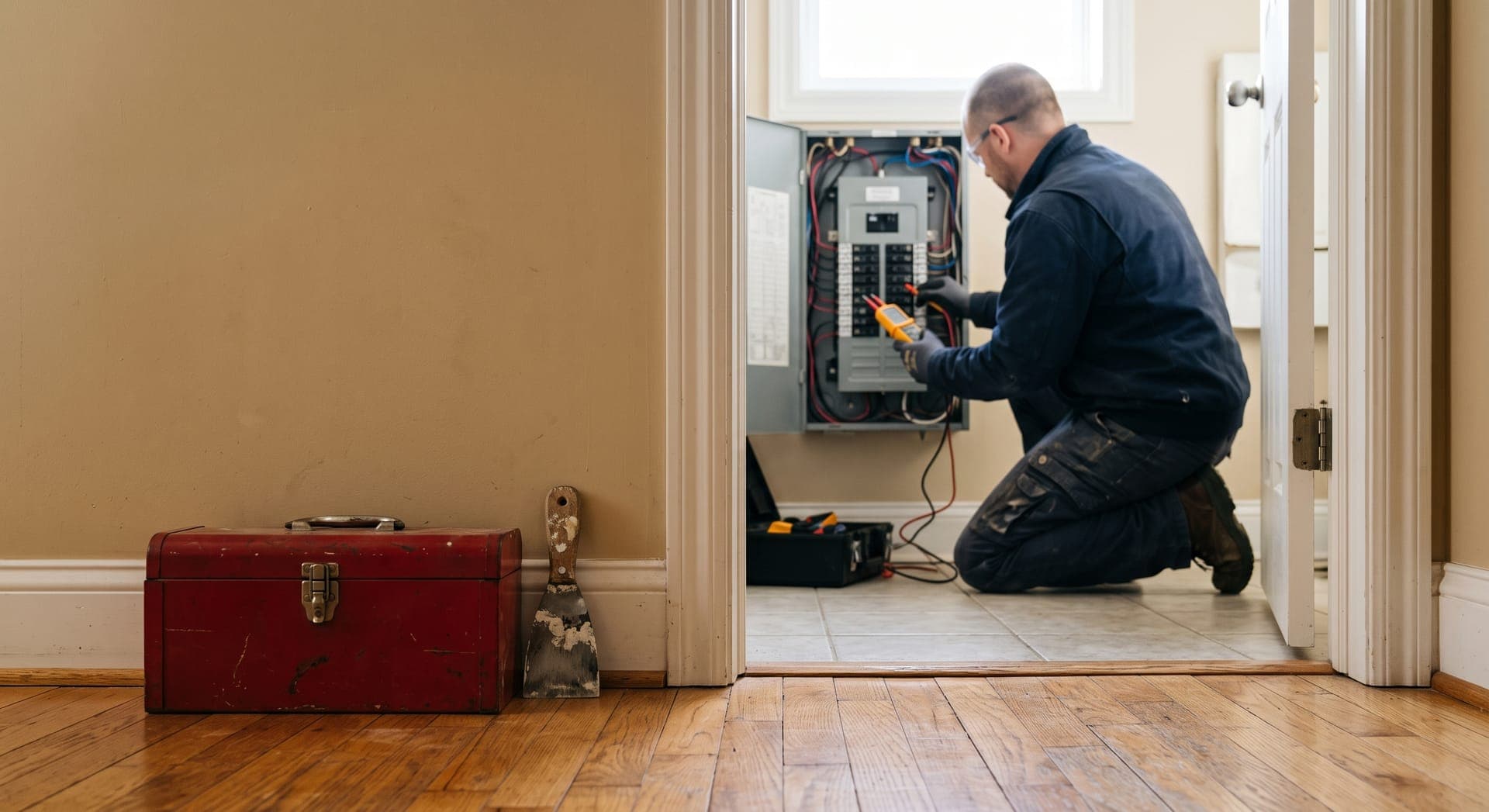
Many home jobs are well within a beginner's reach, and doing them yourself saves money and teaches you how your home works. Some jobs carry risks that a mistake can turn into a fire, a flood, a gas leak, a collapse, or a serious injury, and in many places the law requires a licensed professional for them. The skill is knowing which is which before you start.
This guide gives you a few questions to ask about any job, then sorts common household work into three groups: jobs suitable for beginners, jobs to take on carefully once you have some experience, and jobs for qualified professionals. Rules about who may do what differ between countries, states, and towns, so check with your local building department when in doubt.
Four questions to ask before any job
- What is the worst realistic outcome if this goes wrong? A crooked shelf is a nuisance. A loose electrical connection inside a wall can start a fire months later, out of sight. If the worst outcome could hurt someone or cause hidden damage, lean toward a professional.
- Does it need a permit or a license? Electrical, gas, structural, and many plumbing jobs require permits and inspections in most places. Some can only legally be done by licensed trades. Unpermitted work can cause problems with insurance claims and when you sell.
- Can you stop halfway and leave things safe? Painting can pause overnight. A half-finished drain connection or an open wall with exposed wiring cannot.
- Do you have the right tools and the time to learn? Renting a tool is fine. Learning a high-risk skill on your own home, under time pressure, is not.
Jobs most beginners can do
These jobs have a low risk of harm when you follow the instructions and basic safety steps.
- Painting walls, ceilings, trim, and doors. See how to paint a room.
- Filling nail holes and small cracks. See how to fix holes and cracks.
- Hanging pictures, mirrors, curtain rods, and light shelves.
- Replacing cabinet handles, switch plates, and outlet cover plates, without touching wiring.
- Assembling flat-pack furniture and anchoring it to the wall.
- Unclogging a sink with a plunger or by cleaning the trap. See how to unclog a sink.
- Replacing a toilet flapper, a showerhead, or a faucet aerator.
- Recaulking a tub or shower and adding weatherstripping.
- Changing furnace filters, bulbs, and smoke alarm batteries.
- Cleaning small areas of surface mold. See how to remove bathroom mold safely.
Jobs to take on with experience and care
These are common DIY projects for people who have done a few of the beginner jobs and are comfortable reading instructions closely. Each has a specific way to go wrong, so learn it first.
- Repairing a leaking faucet: shutoff valves have to work, and parts must match exactly. See how to fix a leaking faucet.
- Replacing a whole faucet or a toilet fill valve: leaks at connections can damage cabinets and floors.
- Patching larger holes in drywall.
- Laying click-together flooring in a single room.
- Tiling a small backsplash.
- Installing heavy shelves or wall-mounted TVs: these need secure fixing into studs or masonry.
- Clearing gutters from a ladder: falls from ladders are a common cause of serious home injuries, so use a sturdy ladder and have someone with you.
Jobs for qualified professionals
Electrical work
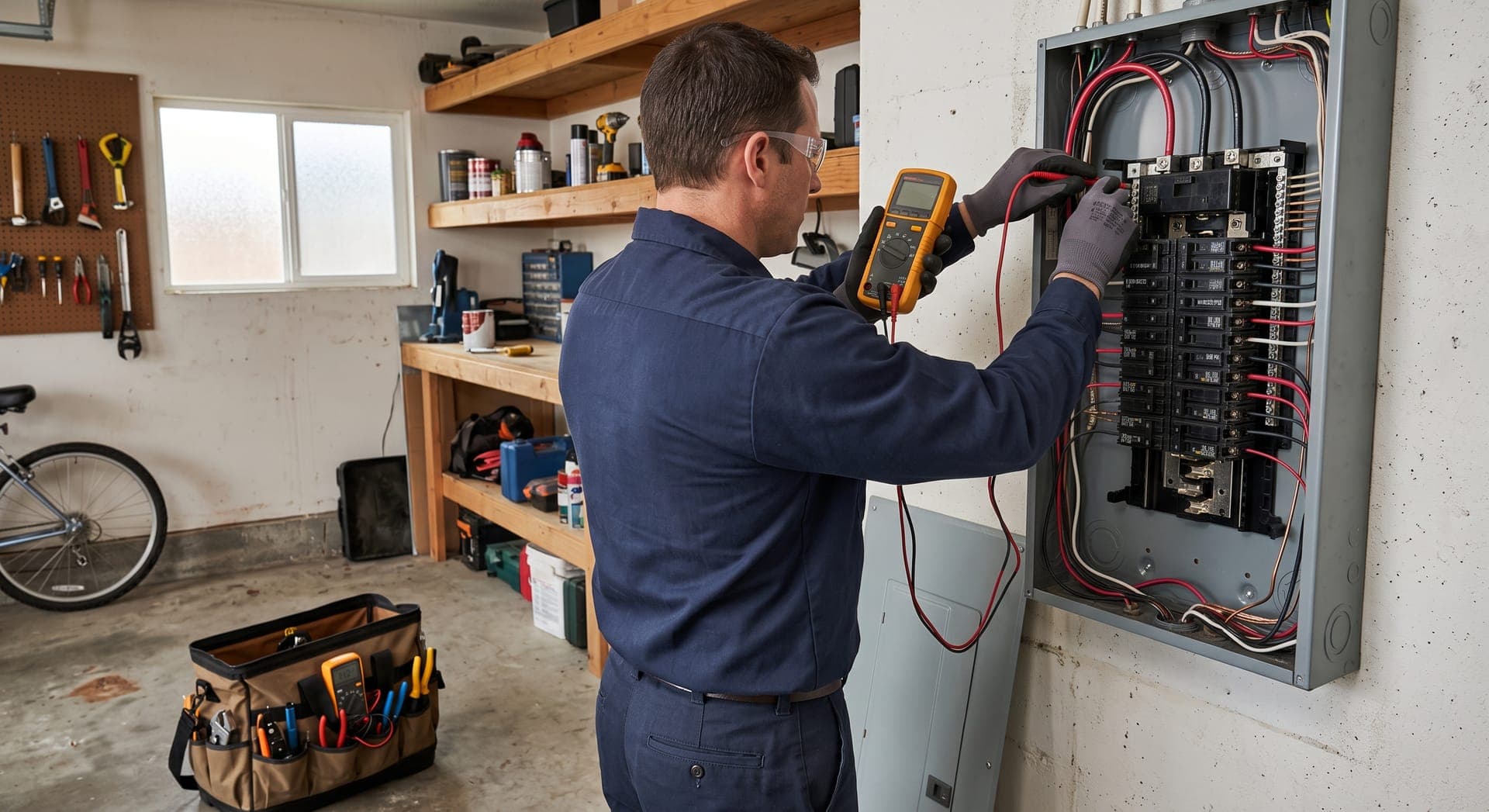
Resetting a breaker, changing a bulb, and swapping a cover plate are safe. Beyond that, including replacing outlets, switches, and light fixtures, adding circuits, and any work in the electrical panel, hire a licensed electrician. Mistakes cause shocks and fires, often long after the work is done, and many places require a licensed electrician or a permit for this work.
Gas appliances and lines
Any work on gas lines, gas appliances, connections, or flues belongs to a qualified, licensed gas professional. That includes installing or moving a gas stove, dryer, water heater, or fireplace. Gas leaks can cause explosions, and faulty flues can cause carbon monoxide poisoning. If you smell gas, leave the building and call your gas utility from outside.
Structural work
Removing or cutting into walls that might be load bearing, altering beams, joists, or rafters, and repairing foundations need a structural engineer's assessment and usually a permit. New cracks wider than about a quarter inch, cracks that grow, sloping floors, and doors that suddenly stick all over the house also need professional assessment.
Major plumbing
Moving or adding supply and drain lines, replacing a water heater, work on the main water line or sewer line, and any leak inside a wall or under a floor are jobs for a licensed plumber. Water heaters involve gas or high-amperage electricity, venting, and pressure relief valves that must be installed correctly.
Roofing and work at height
Roof repairs, chimney work, and anything on a steep or high roof belong to a roofer or chimney professional with fall protection. Inspect your roof from the ground with binoculars and leave the rest to them.
Asbestos
Many building materials made before the 1980s in the US, and before the early 2000s in some other countries, can contain asbestos. Examples include some textured "popcorn" ceilings and wall coatings, old vinyl floor tiles and their adhesive, pipe and boiler insulation, some roofing and siding, and vermiculite attic insulation. Asbestos is a danger when disturbed, because its fibers are released into the air.
If you suspect asbestos
Do not sand, drill, cut, scrape, or remove the material. Have a sample tested by an accredited professional before any renovation that would disturb it. Removal is regulated in most places and must usually be done by a licensed asbestos contractor.
Lead paint
Homes built before 1978 in the US may have lead paint. Sanding, scraping, or demolishing painted surfaces releases harmful dust. Test before disturbing old paint, and use a contractor certified in lead-safe practices for larger jobs.
Other jobs for specialists
- Heating and air conditioning systems. In the US, handling refrigerant requires EPA certification.
- Large or extensive mold, or mold inside walls and ducts.
- Tree work near power lines or the house.
- Replacing windows on upper floors.
Quick reference
| Job | Usually | Main reason |
|---|---|---|
| Painting, filling holes, hanging shelves | DIY | Low risk, easy to redo |
| Unclogging a sink, replacing a flapper | DIY | Low risk with shutoffs closed |
| Repairing or replacing a faucet | DIY with experience | Leaks if parts or connections are wrong |
| Cleaning gutters | DIY with care, or a service | Ladder falls |
| Outlets, switches, light fixtures, panel work | Licensed electrician | Shock and fire risk; permits |
| Gas lines and appliances | Licensed gas professional | Explosion and carbon monoxide risk |
| Removing walls, foundation repair | Structural engineer and builder | Collapse risk; permits |
| Water heater, moving pipes, sewer line | Licensed plumber | Flooding, pressure, gas or electrical hazards |
| Roof repairs | Roofer | Falls from height |
| Suspected asbestos | Accredited tester and licensed contractor | Harmful fibers; regulated removal |
How to hire a professional
- Check that they hold the license your area requires, and verify it with the licensing authority.
- Ask for proof of insurance.
- Get written quotes from two or three providers, describing the same scope of work.
- Ask who will obtain any permits. Usually the contractor does.
- Get a written contract with the price, payment schedule, and timeline. Be wary of anyone asking for full payment upfront.
- Ask for references from recent similar jobs.
Mistakes to avoid
- Assuming a job is easy because a short video made it look easy.
- Skipping permits to save money. It can cost far more later.
- Starting demolition in an older home without checking for asbestos and lead.
- Trying to finish a job that has gone wrong instead of stopping and calling someone.
Questions about DIY and professionals
Is it illegal to do my own electrical work?
It depends on where you live. Some places allow homeowners to do certain electrical work with a permit and inspection; others require a licensed electrician for almost everything. Check with your local building department before you start.
Will DIY work affect my home insurance?
It can. Damage caused by unpermitted or non-compliant work may not be covered. Check your policy, and keep records of permits and professional work.
What if I am renting?
Most repairs beyond simple maintenance are the landlord's responsibility. Report problems in writing and do not attempt electrical, gas, or structural work in a rented home.
When in doubt, ask first
Start with the beginner jobs, build skills gradually, and call a qualified professional whenever electricity, gas, structure, height, or hazardous materials are involved. Paying for an hour of a professional's advice costs much less than fixing a mistake. For the small jobs you can safely do yourself, start with how to fix common household problems.
This guide is general information. Homes, materials, and local rules differ, so check product instructions and the regulations where you live. Read the full disclaimer.