DIY home maintenance checklist: what to check every month
A short monthly walk-through of plumbing, alarms, ventilation, appliances, windows, and the outside of the house, plus the jobs that only come round once a season.
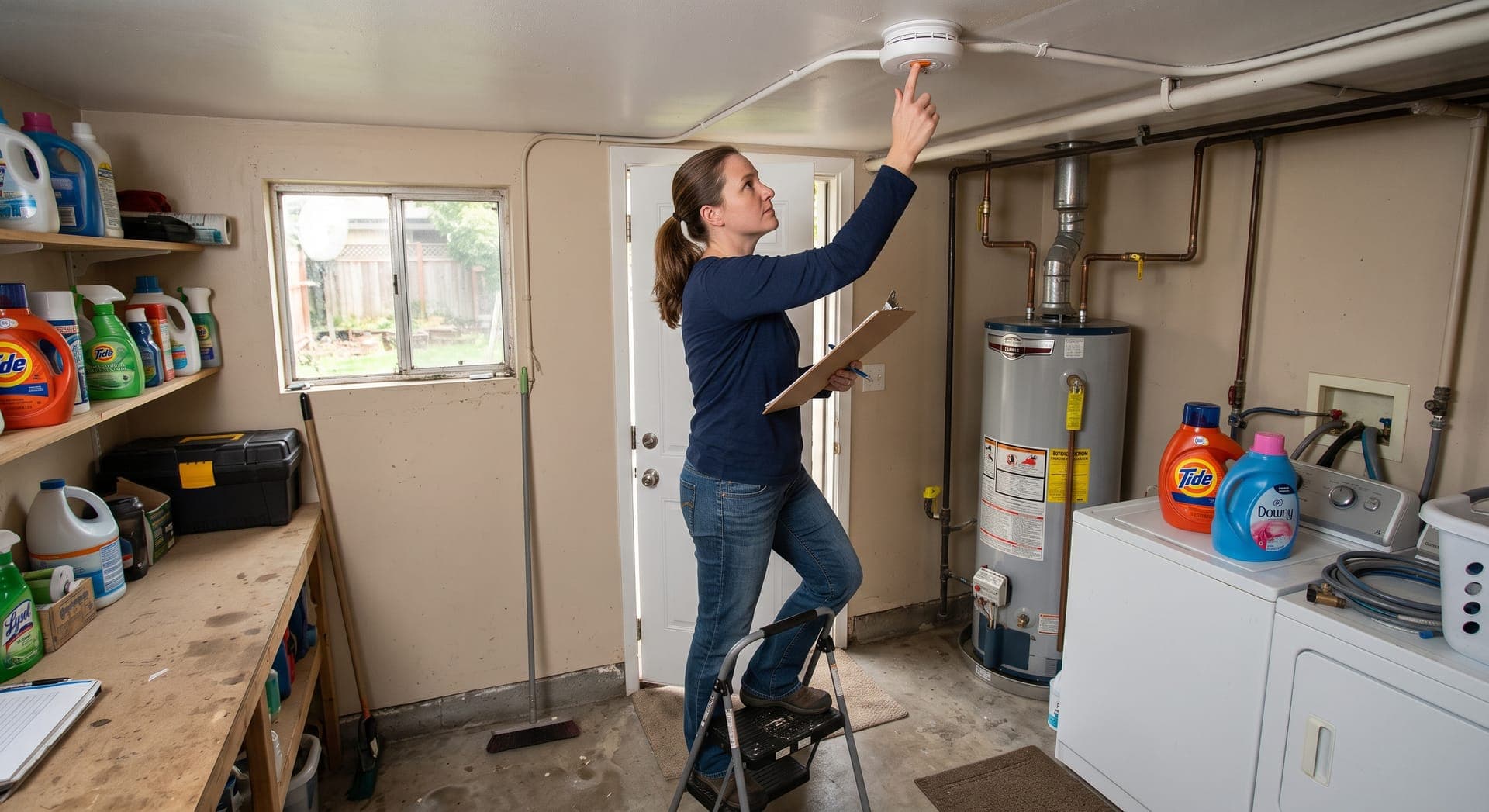
Most expensive home repairs start as something small: a slow drip under a sink, a blocked gutter, a dryer vent full of lint, a smoke alarm with a dead battery. A short walk-through once a month catches these while they are still cheap to fix and before they become dangerous.
The checklist below is grouped by area so you can work through the home in one pass. It is written for a typical house; if you live in an apartment, skip the exterior and report building issues to your landlord or building manager. At the end are the jobs that only need doing once a season or once a year.
Before your first walk-through
- Find your main water shutoff, your electrical panel, and, if you have gas, the gas meter and shutoff. Make sure everyone in the household knows where they are.
- Check that the breakers in the panel are labeled.
- Gather a flashlight, a notebook or phone for notes, and replacement batteries for alarms.
- Pick a fixed day each month, such as the first Saturday, and put it in your calendar.
Monthly checklist
Safety devices
- Press the test button on every smoke alarm and carbon monoxide alarm. The US National Fire Protection Association recommends testing smoke alarms monthly. Replace batteries in any that chirp or fail.
- Check the date on the back of each smoke alarm. Replace smoke alarms that are 10 years old or older, and CO alarms at the age the manufacturer specifies.
- Check that the needle on each fire extinguisher's pressure gauge is in the green zone, and that the extinguisher is easy to reach.
- Make sure exits, stairs, and hallways are clear.
Plumbing
- Open the cabinets under each sink and look for drips, damp wood, or stains. Feel the pipes and connections with a dry hand.
- Look around the base of each toilet for water, and listen for a toilet that refills on its own. The guide to common household problems covers running toilets.
- Run water for half a minute in sinks, showers, and floor drains that are rarely used, so their traps stay full.
- Check around the water heater, washing machine, and dishwasher for leaks. Look at washing machine hoses for bulges or cracks.
- Every few months, check for hidden leaks: note your water meter reading, avoid using any water for two hours, then check it again. If it has moved, something is leaking.
Heating, cooling, and ventilation
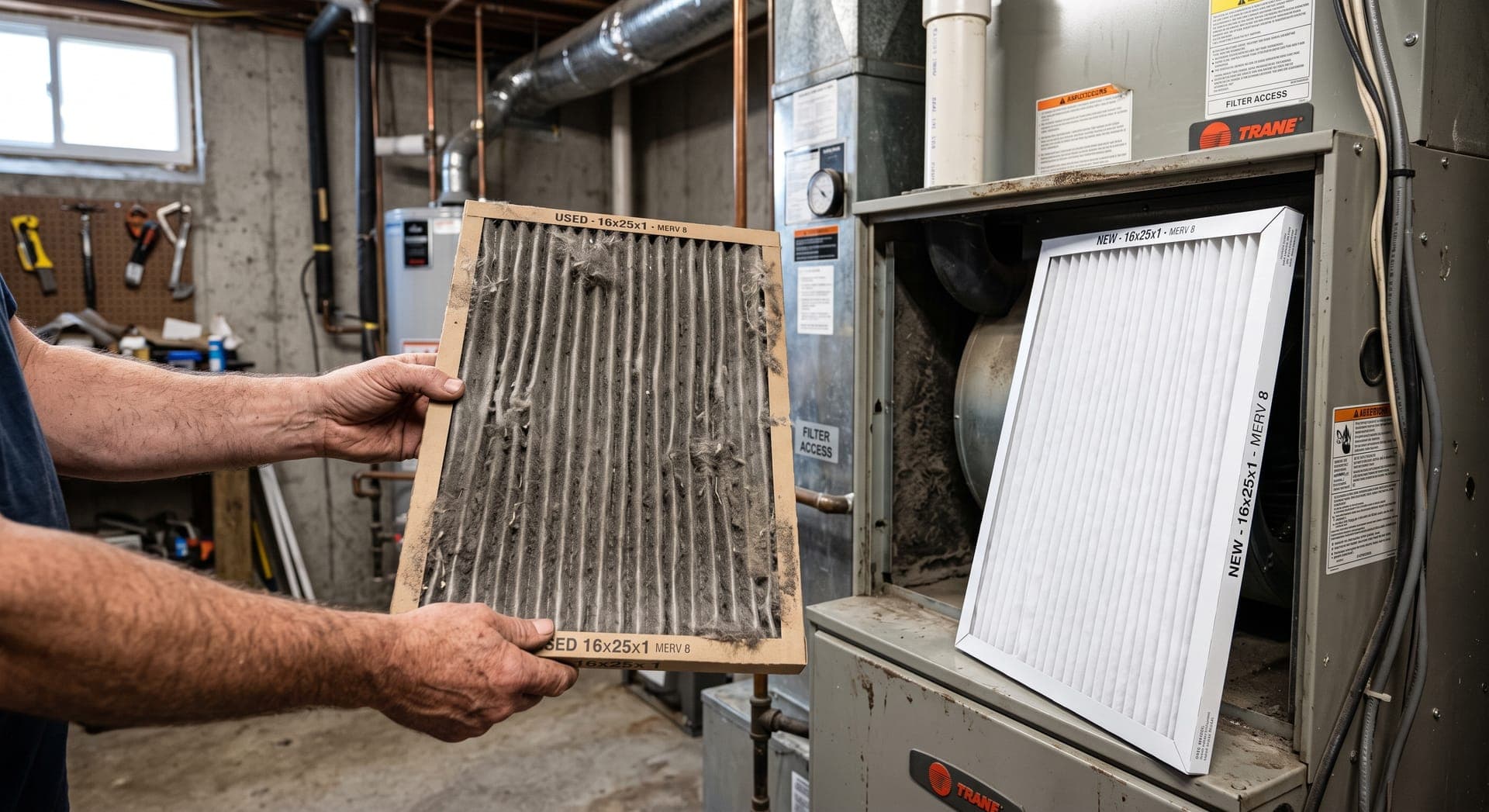
- Check the furnace or air handler filter. Replace or clean it according to the manufacturer's schedule, sooner if it looks gray and clogged.
- Vacuum the grilles of bathroom exhaust fans, and check each fan still pulls air.
- Clean metal range hood filters.
- Make sure supply and return vents, radiators, and heaters are not blocked by furniture or curtains.
Appliances
- Rinse the dishwasher filter.
- Clean the dryer lint screen (this should happen every load), and check that the outdoor dryer vent flap opens when the dryer runs. Lint buildup in dryer vents is a fire risk.
- Wipe the door seal on a front-loading washing machine and leave the door open to dry.
- Check the refrigerator and freezer temperatures, and that the door seals close firmly.
Electrical
- Press the test button on each GFCI outlet (the type with test and reset buttons, usually in kitchens, bathrooms, garages, and outdoors). The power should cut off. Press reset to restore it. Many manufacturers recommend monthly testing.
- Note any lights that flicker, switches or outlets that feel warm, or breakers that trip often. Those need an electrician.
Windows and doors
- Check that locks work on exterior doors and accessible windows.
- In cold months, look for condensation and mold on sills and frames. See how to stop condensation on windows.
- Feel for drafts around exterior doors and check that weatherstripping is intact.
- If you have an automatic garage door, test its safety reverse as the opener's manual describes, usually by placing an object such as a piece of wood in the door's path. The door should reverse when it touches the object. If it does not, stop using the automatic opener and have it serviced.
Outside
- Walk around the house. Look for gutters overflowing or pulling away, downspouts that are disconnected, and water pooling against the foundation.
- Check that soil and mulch slope away from the walls.
- Look for new cracks in the foundation, steps, and paths.
- Make sure dryer, furnace, and other vents on exterior walls are not blocked by plants, leaves, or snow.
- Look for branches touching the roof or walls.
- Look for signs of pests: droppings, chewed materials, or nests near the house.
Seasonal jobs
Spring
- Clean gutters and downspouts after the trees have finished dropping seeds and blossoms.
- Look over the roof from the ground with binoculars for missing or damaged shingles. Leave roof repairs to a roofer.
- Have the air conditioning serviced before hot weather, if you have it.
- Check window and door screens for holes.
- Check exterior caulk and paint for cracks and peeling.
Summer
- Check decks, railings, and steps for loose boards, protruding nails, and rot.
- Trim plants away from the house and the air conditioning unit.
- Check the attic, if you can reach it safely, for signs of roof leaks or pests.
Fall
- Have the heating system serviced by a qualified technician.
- Have chimneys and wood stoves inspected before use.
- Clean gutters again after the leaves fall.
- Disconnect hoses and shut off or protect outdoor faucets. The guide to preparing your home for winter has the full list.
Winter
- Keep vents and meters clear of snow.
- Watch for icicles and ice building up along the roof edge, which can point to heat escaping into the attic.
- On very cold nights, open cabinet doors under sinks on outside walls so warm air reaches the pipes.
Once a year
- Close and reopen the main water shutoff to make sure it still turns. If it is seized or leaks, have a plumber replace it.
- Drain a little water from the water heater to check for sediment, or flush it, following the manufacturer's instructions. Water from the tank is hot enough to scald.
- Have the dryer vent duct cleaned along its full length, or clean it yourself if it is short and accessible.
- Check the caulk around tubs, showers, and sinks, and replace it where it is cracked or moldy.
- Replace batteries in smoke and CO alarms that do not have sealed 10-year batteries, even if they still test fine.
- Review your notes from the year and plan larger repairs.
Keep a simple maintenance log
A notebook or a note on your phone, with the date, what you checked, and what you found, turns the checklist into a record. It shows whether a crack is growing, when the filter was last changed, and when the heating was last serviced. Take photos of anything you are watching. A log is also useful when you sell a home or rent it out.
When a check turns up a problem
Many findings are simple DIY fixes. Some are not. Call a professional for anything involving gas, electrical wiring, the roof, structural cracks, or water inside walls and ceilings. The guide to when to DIY and when to call a professional explains where the line usually sits.
Questions about home maintenance
How long does the monthly check take?
Once you know the routine, the indoor checks take well under an hour in most homes. The outdoor walk takes a few minutes more.
I rent. Which of these are my job?
Testing alarms, cleaning filters and lint screens, running unused drains, and reporting leaks promptly are usually the tenant's job. Servicing heating, plumbing repairs, and exterior work are usually the landlord's. Check your lease, and report problems in writing.
What if I miss a month?
Pick up where you left off. The safety checks, alarms and the dryer vent, are the ones not to skip for long.
Put the first check in your calendar
Choose a day, set a repeating reminder, and do the first walk-through with this list open. After two or three months it becomes routine. If something you find needs fixing, start with the guides to common household problems and leaking faucets.
This guide is general information. Homes, materials, and local rules differ, so check product instructions and the regulations where you live. Read the full disclaimer.