How to make your home more energy efficient
Start with the inexpensive measures: stopping drafts, adjusting heating habits, and changing bulbs. Then decide whether bigger work, like insulation, makes sense for your home.
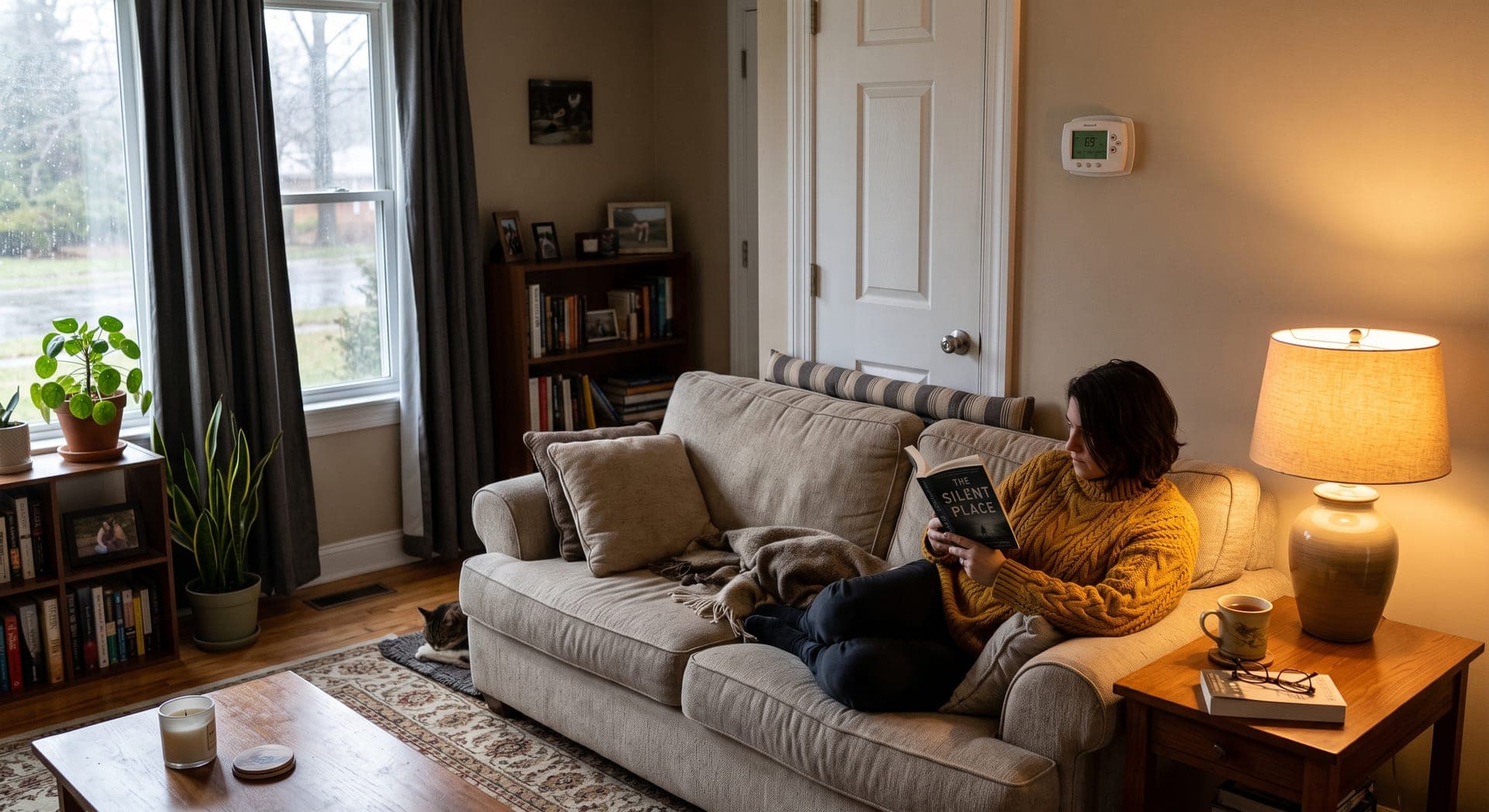
A home uses energy to heat and cool its rooms, heat water, run appliances, and light the space. Making it more efficient means wasting less of each. The cheapest measures, such as sealing drafts, changing settings, and adjusting a few habits, usually come first. Larger projects like insulation and new windows make sense once you know where your home actually loses energy.
How much any change saves depends on your climate, your home, your energy prices, and how you live. This guide does not promise numbers. It explains what each measure does, so you can decide what suits your home.
Start by finding where energy goes
- Look at a year of energy bills. A big winter peak points to heating; a summer peak points to cooling.
- If you have a smart meter or an energy-use display from your utility, watch it while switching appliances on and off to see which ones draw the most.
- Ask your utility whether it offers a home energy assessment. Many do, sometimes at low or no cost, and an assessor can find air leaks and insulation gaps you would miss.
- On a cold, windy day, move your hand slowly around window frames, door edges, outlets on outside walls, and the attic hatch. A lit incense stick shows drafts as the smoke moves sideways. Keep it away from curtains and anything flammable.
Seal the drafts
Drafts let heated or cooled air escape and pull outside air in. Sealing them is inexpensive and well within beginner skills.
- Doors: fit self-adhesive weatherstripping around the frame of exterior doors and a sweep or brush strip along the bottom. A fabric draft stopper works on interior doors to unheated rooms.
- Windows: apply foam or rubber weatherstripping where the window meets the frame. Seal gaps between the frame and the wall with caulk, using an exterior-grade caulk outside.
- Outlets and switches on exterior walls: foam gaskets fit behind the cover plate. Unscrew the plate, place the gasket, and screw the plate back. Do not touch the wiring.
- Pipes and cables: fill gaps where they pass through exterior walls or floors with expanding foam or caulk.
- Attic hatch: add weatherstripping around the edge and insulation on the top of the hatch.
- Fireplace: close the damper when the fireplace is not in use, after making sure the fire is completely out and the ashes cold.
Keep the ventilation your home needs
Do not block air bricks, trickle vents, bathroom and kitchen fans, or the air supply to any appliance that burns gas, oil, or wood. Fuel-burning appliances need air to work safely, and blocking it can cause carbon monoxide to build up. Make sure you have working carbon monoxide alarms. If you seal a lot of drafts, watch for more condensation, which means the home needs more deliberate ventilation; see how to stop condensation on windows.
Heat and cool more carefully
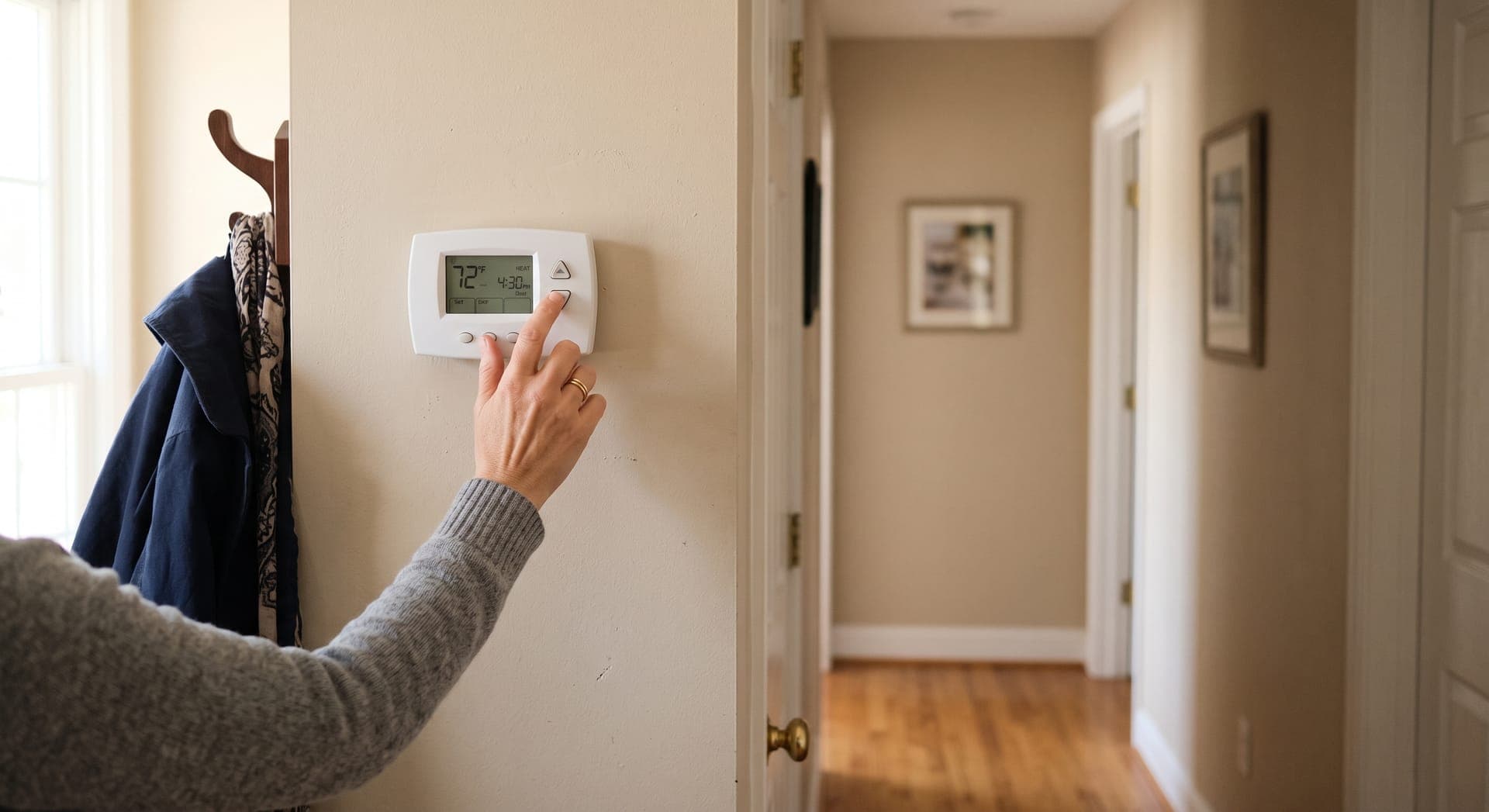
- Set the thermostat a degree or two lower in winter and higher in summer, and see whether you notice. Many people do not after a few days.
- Use a programmable or smart thermostat schedule to lower the temperature at night and when no one is home.
- Heat the rooms you use, and close doors to rooms you do not, while keeping some warmth in all rooms to avoid damp.
- Keep radiators and vents clear of furniture and long curtains.
- Bleed radiators that are cold at the top, following the manufacturer's or your heating engineer's guidance.
- Replace or clean furnace and air conditioner filters as the manufacturer recommends. A clogged filter makes the system work harder.
- Have boilers and furnaces serviced by a qualified technician on the schedule the manufacturer recommends, often once a year.
- Close curtains and blinds at dusk in winter, and open them on sunny days to let the sun warm the room. In summer, close them on the sunny side during the day.
- Set ceiling fans to turn counterclockwise in summer for a cooling breeze. Many fans have a reverse switch for winter, when a slow clockwise turn pushes warm air down from the ceiling.
Use less energy for hot water
- Check the temperature setting on your water heater. The US Department of Energy suggests 120°F (about 49°C) for most households, which also lowers the risk of scalding. Some people with specific health needs, or with certain dishwashers, need a different setting, so check your appliance manuals.
- Insulate the hot water pipes you can reach near the water heater with foam pipe sleeves.
- Fit a low-flow showerhead and fix dripping hot taps. The guide to fixing a leaking faucet shows how.
- Wash clothes in cold or cool water when the detergent and the laundry allow it.
Lighting and appliances
- Replace incandescent and halogen bulbs with LEDs, which use a fraction of the energy for the same light and last much longer.
- Run dishwashers and washing machines with full loads.
- Air-dry laundry when you can, or clean the dryer's lint filter before every load.
- Keep the refrigerator at or below 40°F (4°C) and the freezer at 0°F (−18°C), as food-safety guidance recommends. Colder than that uses more energy without much benefit.
- Check refrigerator door seals by closing the door on a sheet of paper. If it slides out easily, the seal may need cleaning or replacing.
- Vacuum dust from the refrigerator's condenser coils, following the manual.
- Switch off devices at the wall, or use a power strip, for electronics that draw power on standby.
- When replacing an appliance, compare the energy labels. ENERGY STAR certification in the US, or the energy label in other countries, makes comparison easier.
Windows
Thermal or lined curtains, closed at night, reduce heat loss through glass. On single-glazed windows, clear window insulation film or secondary glazing adds an extra layer of air. New double or triple glazing is a larger investment that usually makes sense when windows need replacing anyway.
Insulation and larger upgrades
Attic or loft insulation is often one of the most worthwhile larger upgrades in older homes, because heat rises and escapes through the roof. Check how deep your existing insulation is. Laying additional insulation rolls between and across attic joists is a job many homeowners do themselves, with gloves, long sleeves, eye protection, and a dust mask, and boards to kneel on so you do not step through the ceiling.
Do not disturb this insulation
Loose, pebble-like insulation that is gray-brown or silver-gold may be vermiculite, which can contain asbestos. If you find it, do not touch, move, or vacuum it. Have it tested by a qualified professional. Also leave insulation work around recessed lights, chimneys, and electrical wiring to a professional, because some materials need clearance for fire safety.
Wall insulation, floor insulation, heat pumps, solar panels, and window replacement need professional installers. An energy assessment helps you decide which, if any, are worth it for your home. Government and utility incentives for these upgrades vary by location and change over time, so check what is currently available where you live.
Where to start, by cost
| Measure | Typical cost | Who does it |
|---|---|---|
| Thermostat schedule, curtains, laundry habits | Free | You |
| Draft-proofing doors, windows, and outlets | Low | You |
| LED bulbs, pipe insulation, low-flow showerhead | Low | You |
| Window film or secondary glazing | Low to moderate | You or an installer |
| Attic insulation top-up | Moderate | You or an installer |
| Heating system service and repairs | Moderate | Qualified technician |
| Wall insulation, new windows, heat pump, solar | High | Professional installers |
Mistakes to avoid
- Sealing vents and fan outlets along with drafts.
- Spending on a large upgrade before fixing the cheap leaks.
- Turning the heat off completely in cold weather, which risks frozen pipes and damp.
- Blocking radiators with furniture or curtains.
- Believing a single product will dramatically cut a bill. Savings come from several measures together.
Questions about energy efficiency
Is it cheaper to leave the heating on low all day?
It depends on your heating system and how well the home holds heat. For many homes, a schedule that heats when you are home and drops the temperature when you are out or asleep uses less energy. Heat pumps are often run differently, with steadier settings, so follow the installer's advice for those.
Do I need permission to draft-proof a rented home?
Removable measures such as draft stoppers, curtains, and adhesive weatherstripping are usually fine. Ask your landlord before caulking, insulating, or changing anything fixed.
How do I know if my insulation is enough?
Your local building authority or energy agency publishes recommended insulation levels for your climate. An energy assessment will measure what you have.
A sensible order of work
Look at your bills, seal the drafts, adjust the thermostat schedule, and switch to LEDs. Then look at hot water and appliances. Only after that, get an assessment for larger upgrades. Before winter arrives, combine these jobs with the checks in preparing your home for winter.
This guide is general information. Homes, materials, and local rules differ, so check product instructions and the regulations where you live. Read the full disclaimer.